Kyoto Hidden Sanctuaries: Autumn in Bamboo Forest
An architectural and meditative pilgrimage through northern Rakuhoku and the quiet moss gardens of Takao, where Japan's ancient relationship with timber and silence endures.
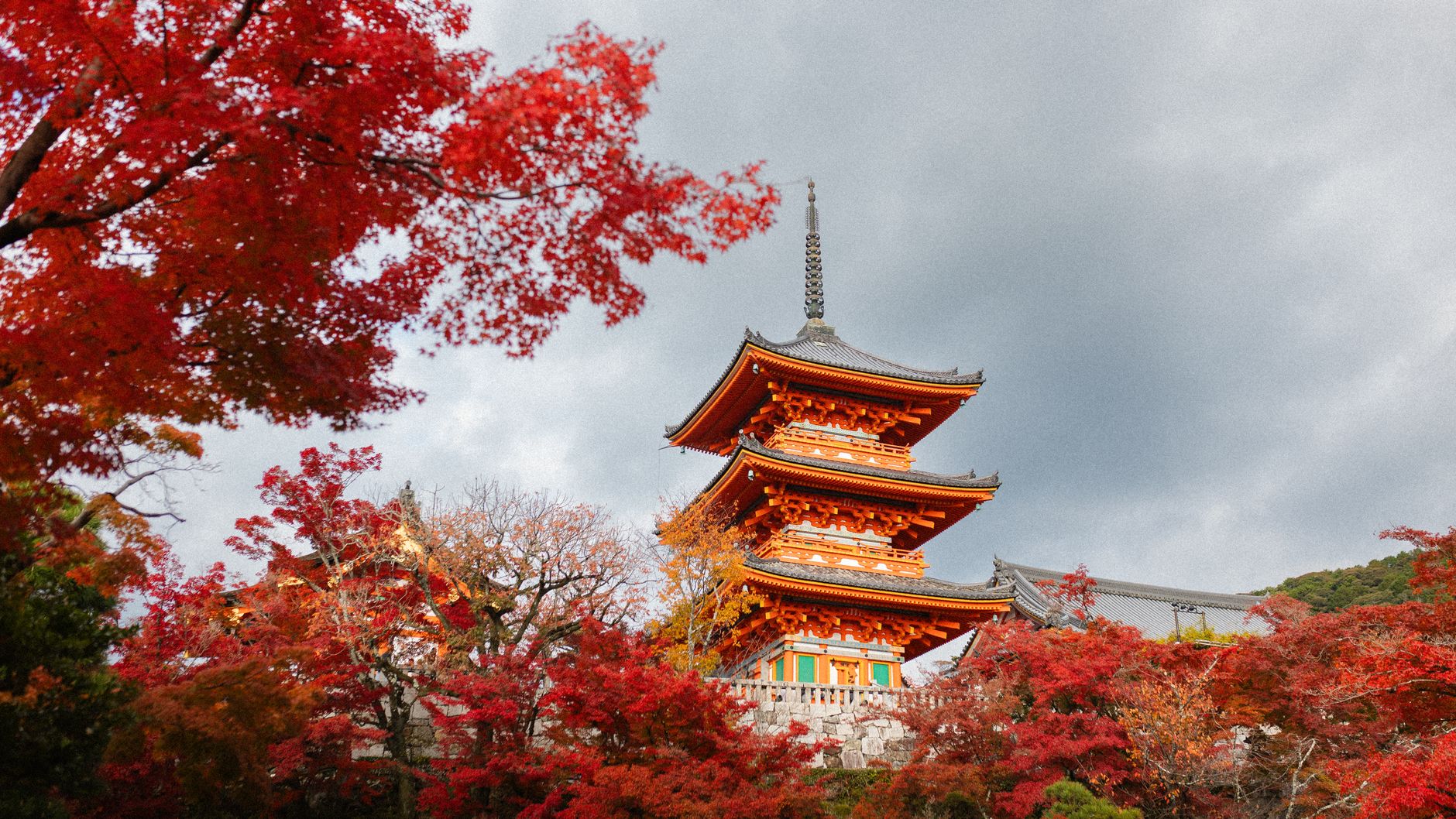
The Geometry of Stillness in Rakuhoku
While the tour coaches descend predictably upon Arashiyama’s central bamboo corridor, twenty-five kilometers to the north along the Kiyotaki River valley lies a starkly different tempo. In the sub-temples of Kozan-ji and Saimyo-ji, founded in the early Kamakura epoch, cedar boards polished by eight hundred years of socks reflect morning mist with the softness of antique mirrors.
Here, architecture does not conquer the forest; it yields to it. Slender hinoki pillars frame rectangular vistas of crimson momiji leaves, creating living scrolls that change with every passing gust of mountain wind.
"The true luxury of Kyoto is not accessible through grand gates; it rests in the deliberate pause between stone steps where moss has grown uninterrupted for centuries."
Morning Rituals and Tea Philosophy
Entering the garden at dawn allows an engagement with sound that afternoon crowds render impossible: the rhythmic hollow clack of the bamboo shishi-odoshi, the friction of dry cedar needles brushing stone lanterns, and the resonant low hum of temple bronze bells carrying across the valley.
A simple bowl of freshly whisked matcha, accompanied by an azuki wagashi modeled after autumn persimmons, serves as a sensory grounding device. In these monastic pavilions, the concept of ichigo ichie (one time, one meeting) is neither slogan nor metaphor—it is a pragmatic recognition that this exact morning light will never return in identical splendor.
Recommended Slow Protocol
- Lodging: Choose small independent machiya houses in Nishijin rather than modern high-rises near Kyoto Station.
- Timing: Arrive at northern sanctuary gates at 07:45 AM before opening hours.
- Footwear: Slip-on leather shoes without laces to ease respectful temple transitions.

Evelyn Vance
Editorial Fellow, East Asian Architecture