The Dolomite High Pass: Architectural Alpine Escapes
An elevation analysis along the jagged spine of the Pale Mountains, evaluating modernist sustainable rifugios and vernacular Ladino wood joinery.
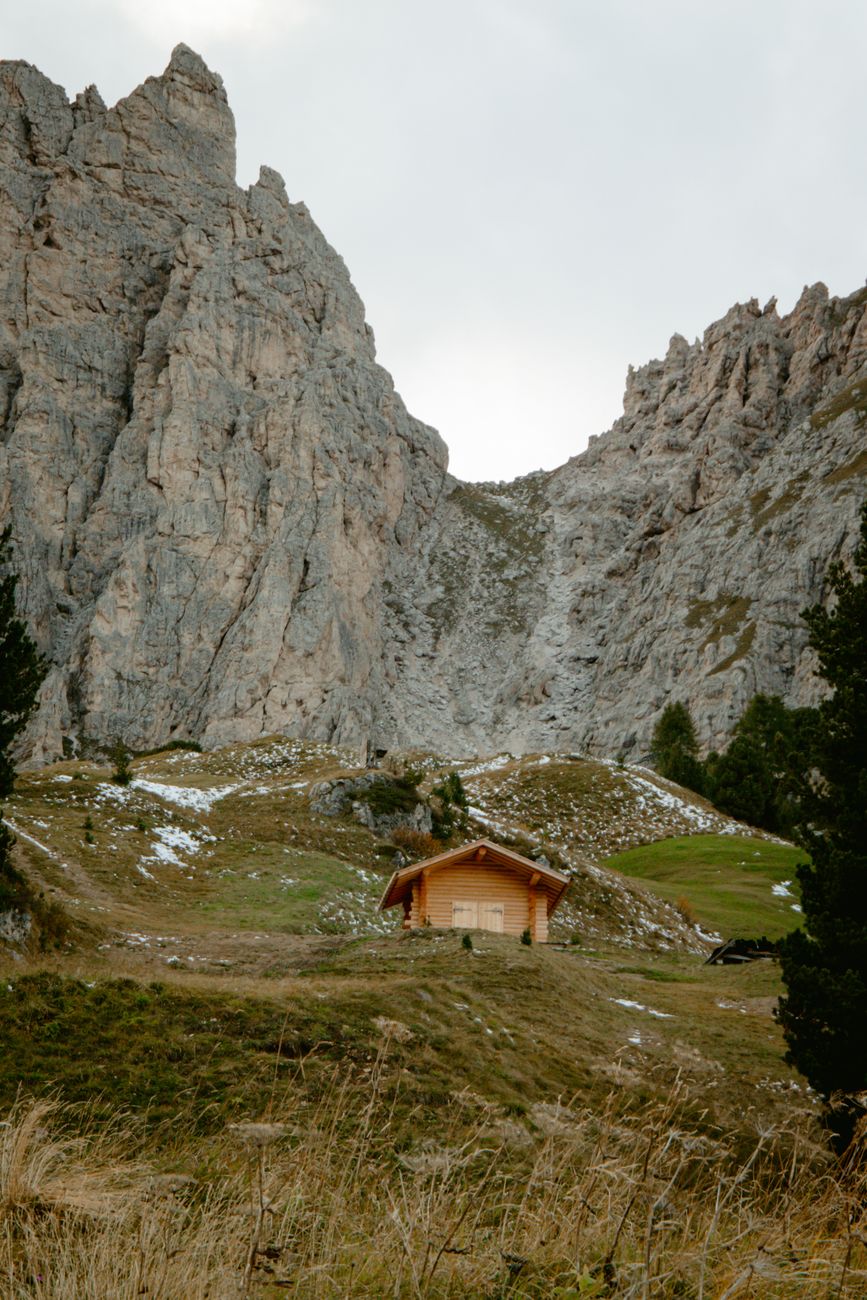
The Coral Reefs of Prehistory
Two hundred and fifty million years ago, the precipitous spires of the Tre Cime and the Marmolada were underwater atolls in the prehistoric Tethys Ocean. Today, their exposed dolomite limestone reacts to sunrise and sunset with the famous enrosadira—an alpenglow that transforms grey rock into burning amber and deep violet.
Hiking the high traverse requires more than stamina; it requires an appreciation for human habitation perched on the precipice of absolute exposure. Unlike commercial ski corridors, the high refuges function on water conservation, solar thermal panels, and strict quiet hours.
"The mountain strips away pretension. When twilight douses the peaks, all conversation coalesces around a single bowl of steaming polenta and the crackle of larch wood."
Ladin Culinary Identity and High Terroir
High-altitude nourishment in Val Badia has long ceased to be primitive survival fare. Modern mountain chefs are reclaiming forgotten cereals, mountain pine oil infusions, and raw unpasteurized cheeses aged in high caves.
A dinner at a family-run hut at 2,400 meters provides dumplings made from heirloom rye, wild juniper-cured speck, and wine pressed from steep hillside Schiava grapes. It is cuisine engineered by topography and executed with Scandinavian-level precision.
Key Trail Directives
- Traverse: Alta Via 1 section between Lago di Braies and Passo Falzarego.
- Season: Mid-September to early October for autumn larch gold without summer crowds.
- Pack: Technical windproof shell and dedicated microspikes for early morning ice patches.
Julian Thorne
Senior Fellow, Alpine Geography